
- By - omarcareer
- Beds
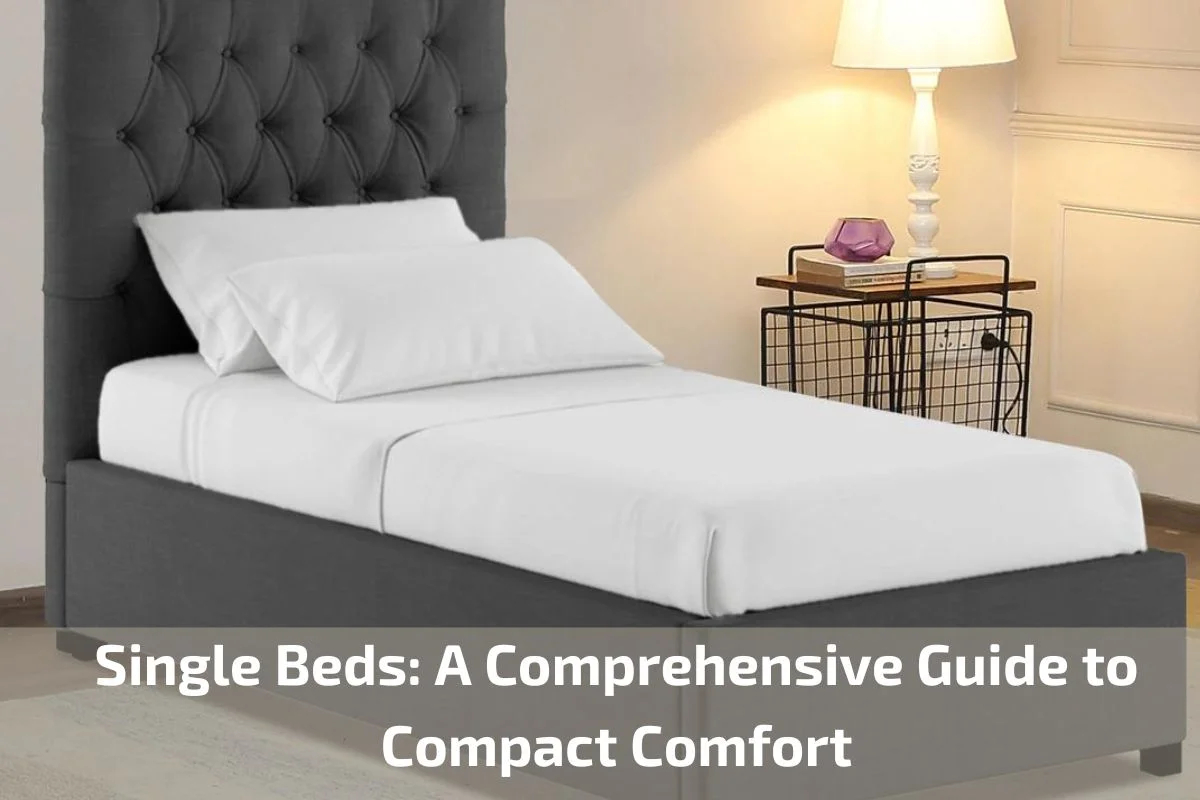
Imagine a bed that fits perfectly into a small guest room, provides a cozy sleep space for your child, or tucks away when not in use—all without sacrificing comfort or style. Single beds are versatile, practical solutions for modern living. Often associated with children’s rooms, they are equally ideal for studio apartments, dormitories, guest rooms, and even master bedrooms where space is at a premium. From classic wooden frames and space-saving platform beds to bunk beds, loft beds, daybeds, and foldable rollaway options, there is a design for every need. Discover the benefits, types, and maintenance tips to choose the perfect single bed that balances comfort, functionality, and style for any room.
Single beds, though often associated with children’s bedrooms, are versatile and practical sleeping solutions that extend far beyond childhood. These compact beds offer a comfortable and space-saving option for bedrooms of all sizes, making them ideal for guest rooms, dormitories, studio apartments, and even master bedrooms where space is at a premium.
In this comprehensive guide to single beds, we explore the many facets of these compact sleep solutions. From their various designs and styles to their benefits and practical considerations, we delve into everything you need to know to make informed decisions when choosing a single bed for your space.
Join us as we navigate the world of single beds, uncovering their versatility, comfort, and functionality. Whether you’re furnishing a small bedroom, creating a cozy guest retreat, or simply seeking to maximize space in your home, let us be your guide to finding the perfect single bed for your needs.
Brief overview of the importance of a comfortable bed
A comfortable bed is essential for quality sleep and overall well-being. It serves as a sanctuary where we rejuvenate our bodies and minds after a long day’s work. Research shows that good sleep is crucial for cognitive function, emotional stability, and physical health. Therefore, investing in a comfortable bed is not just a luxury but a necessity for optimal living. Whether it’s a single bed for a child’s room or a luxurious king-size bed for a master bedroom, the importance of comfort cannot be overstated. In this article, we delve into the world of single beds, exploring their benefits, types, and tips for choosing the perfect one to ensure a restful night’s sleep.
Importance of choosing the right single bed for your needs
Choosing the right single bed tailored to your needs is crucial for several reasons. Firstly, it directly impacts the quality of your sleep. A bed that aligns with your comfort preferences and provides adequate support can significantly enhance your sleep experience, leading to better rest and improved overall health.
Moreover, selecting the appropriate single bed ensures optimal utilization of space in your room. Whether you have a small bedroom or ample space to spare, choosing a bed that fits well and complements your room’s aesthetics can enhance the overall ambiance and functionality of the space.
Additionally, the right single bed can cater to specific requirements, such as accommodating guests, providing storage solutions, or catering to special health considerations like back pain or allergies. By understanding your needs and preferences, you can make an informed decision that maximizes comfort, functionality, and satisfaction with your single bed investment.
In essence, the importance of choosing the right single bed lies in its ability to enhance sleep quality, optimize space utilization, and cater to individual preferences and requirements, ultimately contributing to a comfortable and conducive sleeping environment.
Benefits of Single Beds
Single beds offer a multitude of benefits that make them an attractive choice for various situations:
Space-saving advantages: Single beds are perfect for rooms with limited space, such as studio apartments, small bedrooms, or children’s rooms. Their compact size allows for more floor space, making the room feel less cramped and more open.
Ideal for solo sleepers: For those who prefer to sleep alone or have a room to themselves, single beds provide the perfect solution. They offer ample space for one person to sleep comfortably without feeling restricted.
Versatility: Single beds come in various styles, designs, and materials, allowing for customization to suit individual preferences and room aesthetics. Whether you prefer a minimalist platform bed or a classic wooden frame, there’s a single bed option to match your taste.
Affordability: Single beds are generally more affordable than larger bed sizes like queen or king beds. This makes them a budget-friendly option for individuals, students, or families looking to furnish multiple rooms without breaking the bank.
Guest accommodation: Single beds are ideal for guest rooms or spare rooms, providing a comfortable sleeping space for visitors without taking up excessive room space. They offer a practical solution for accommodating guests overnight while ensuring they have a comfortable place to rest.

Types of Single Beds
Single beds come in a variety of styles and designs to suit different preferences and needs. Here are some common types of single beds:
Traditional Single Bed Frames: These are the classic single beds with a simple frame made of wood, metal, or other materials. They typically feature a headboard and footboard and can accommodate a standard single mattress.
Platform Beds: Platform beds have a low-profile design with a solid base that eliminates the need for a box spring. They offer a modern and minimalist aesthetic and may include built-in storage drawers underneath.
Bunk Beds and Loft Beds: Bunk beds consist of two single beds stacked on top of each other, making them ideal for shared rooms or maximizing vertical space. Loft beds have a similar design but feature a raised bed with space underneath for a desk, storage, or seating area.
Daybeds and Trundle Beds: Daybeds are versatile single beds that double as seating during the day. They typically feature a backrest and can accommodate a standard single mattress. Trundle beds are similar but include a second mattress that slides out from underneath for additional sleeping space.
Folding and Rollaway Beds: These space-saving single beds are ideal for temporary or guest accommodation. They feature a collapsible frame that allows them to be easily folded and stored when not in use, making them perfect for small spaces.
Single Beds for Different Needs
Single beds cater to a diverse range of needs and preferences, making them versatile options for various living situations. Here’s how single beds can be tailored to different needs:
Single Beds for Children:
- Safety features: Many single beds designed for children incorporate safety rails to prevent falls during sleep.
- Fun designs: Children’s single beds often come in playful designs, such as themed beds shaped like race cars, princess castles, or pirate ships.
- Storage solutions: Some single beds for children feature built-in drawers or shelves for storing toys, books, and other belongings.
Single Beds for Teenagers and Young Adults:
- Stylish designs: Teenagers and young adults may prefer single beds with sleek and modern designs that reflect their personal style.
- Space-saving options: Loft beds or bunk beds are popular choices for teenagers, as they allow for additional storage or study space underneath the bed.
- Customization: Single beds for this age group often offer customization options, such as choosing the color or finish of the bed frame.
Single Beds for Guest Rooms and Spare Rooms:
- Comfortable options: When selecting single beds for guest rooms, comfort is key. Opt for mattresses with medium firmness and consider adding a mattress topper for extra comfort.
- Versatile designs: Daybeds or trundle beds are excellent choices for guest rooms, as they can double as seating during the day and provide additional sleeping space when needed.
- Storage solutions: Choose single beds with built-in storage drawers or a trundle bed with a pull-out storage compartment to maximize space in guest rooms.
Single Beds for Studio Apartments and Small Spaces:
- Multi-functional designs: Look for single beds that serve multiple purposes, such as sofa beds or fold-out beds that can be converted into seating during the day.
- Compact options: Platform beds with a low-profile design are ideal for small spaces, as they create a minimalist look while maximizing floor space.
- Storage solutions: Consider single beds with built-in storage options, such as drawers or shelves, to maximize storage space in studio apartments and small bedrooms.

Maintenance and Care Tips for Single Beds
Proper maintenance and care are essential for keeping your single bed in good condition and ensuring a comfortable sleeping environment. Here are some tips to help you maintain your single bed:
Regular Cleaning and Dusting:
- Vacuum or sweep underneath the bed regularly to remove dust, dirt, and debris.
- Wipe down the bed frame, headboard, and footboard with a damp cloth to remove surface dust and stains.
- Wash bedding, including sheets, pillowcases, and blankets, regularly to prevent dust mites and allergens from accumulating.
Mattress Rotation and Flipping (if applicable):
- Rotate the mattress every few months to promote even wear and extend its lifespan.
- If your mattress is double-sided, flip it over every six months to prevent sagging and indentations.
Repair and Maintenance of Bed Frames:
- Inspect the bed frame regularly for loose screws, cracked or splintered wood, or other signs of damage.
- Tighten any loose screws or bolts to ensure the bed frame remains sturdy and stable.
- Repair any minor damage promptly to prevent it from worsening over time.
Using Mattress Protectors and Covers:
- Invest in a mattress protector to shield your mattress from spills, stains, and dust mites.
- Wash the mattress protector regularly according to the manufacturer’s instructions to keep it clean and hygienic.
- Consider using a mattress cover or encasement to provide an extra layer of protection against allergens and bed bugs.
Storage Tips for Seasonal Bedding and Accessories:
- Store seasonal bedding, such as duvets, comforters, and extra pillows, in vacuum-sealed bags or under-bed storage containers to save space and protect them from dust and pests.
- Rotate bedding seasonally to prevent moisture buildup and ensure freshness.
- Air out mattresses and bedding periodically to help eliminate odors and maintain freshness.
Conclusion
In conclusion, single beds offer a multitude of benefits, making them an excellent choice for various living situations. From providing space-saving solutions in small rooms to offering comfortable sleeping arrangements for solo sleepers or guests, single beds cater to diverse needs and preferences. Their versatility, affordability, and customizable options make them a practical and attractive choice for individuals, families, and households of all sizes.
Frequently Asked Questions (FAQ)
What are the benefits of a single bed?
Single beds offer space-saving advantages (ideal for small rooms), affordability compared to larger sizes, versatility (styles from platform to bunk), perfect for solo sleepers, guest accommodation, and children’s rooms. They also come in multi-functional designs (storage drawers, trundles, loft desks) to maximize functionality without compromising comfort.
What size is a standard single bed?
A standard single mattress measures 39 inches (91 cm) wide by 75 inches (191 cm) long. Some countries refer to this as “twin.” For taller individuals (over 6 feet), consider “twin XL” (39″ x 80″). Always measure your room before purchasing to ensure proper fit and at least 30 inches of walking space around the bed.
What types of single beds are available?
Traditional frames (wood or metal with headboard/footboard), platform beds (low-profile, no box spring needed), bunk beds (stacked for shared rooms), loft beds (raised with space underneath for desk/storage), daybeds (seating by day, sleeping by night), trundle beds (pull-out second mattress), and folding/rollaway beds (temporary or guest use).
Are single beds suitable for adults?
Yes, single beds are suitable for adults in guest rooms, studio apartments, dorms, or small bedrooms. However, taller adults (over 6 feet) may prefer twin XL (80 inches long) for adequate legroom. For master bedrooms or couples, larger sizes (full, queen, king) are recommended. Comfort depends on mattress quality—choose a supportive mattress.
How do I choose a single bed for a child’s room?
Prioritize safety: rounded corners, sturdy construction, guardrails for bunk or loft beds. Choose low-height frames for young children. Consider fun designs (themed beds) and storage options (drawers underneath). Ensure mattress fits snugly with no gaps. For toddlers transitioning from crib, use a single bed with safety rails. Avoid high bunks for under 6 years.
What is the best single bed for a small guest room?
Daybeds (double as seating) or trundle beds (additional pull-out mattress) maximize functionality. Folding or rollaway beds store easily when not in use. Platform beds with under-bed storage drawers keep the room clutter-free. Light-colored frames and minimalist designs make the space feel larger. Consider wall-mounted headboards to save floor space.
Can single beds have storage options?
Yes. Many single beds feature built-in drawers underneath (perfect for linens, clothes, toys). Loft beds provide space for desks or shelves underneath. Headboards with shelves or cubbies add storage. Under-bed storage bins or rolling containers are also compatible with most standard single bed frames. Storage beds eliminate need for separate dressers.
What mattress type works best for a single bed?
Memory foam offers pressure relief and motion isolation. Innerspring provides bounce and breathability. Hybrid combines both. Latex is durable and eco-friendly. For children or guests, medium-firm mattresses suit most sleep positions. Ensure mattress height allows easy access and fits within safety rails if used. For bunk beds, choose thinner mattresses (6 to 8 inches).
How do I maintain a single bed?
Vacuum underneath regularly. Tighten screws and bolts on the bed frame every few months. Rotate or flip mattress (if double-sided) every 6 months. Use a mattress protector against spills and dust mites. Wash bedding weekly. Inspect for damage, especially on bunk or loft beds. Follow manufacturer guidelines for weight limits and assembly.
Are bunk beds safe for young children?
Use bunk beds only for children over 6 years old. Top bunk requires guardrails on all sides (minimum 5 inches above mattress) and a secure ladder. Ensure mattress fits snugly with no gaps. Teach children to use ladder safely and avoid jumping. For toddlers or young children, consider low loft beds or single floor beds instead of high bunks. Regularly check hardware tightness.